Princípio e função da prensa hidráulica

Principle of hydraulic press
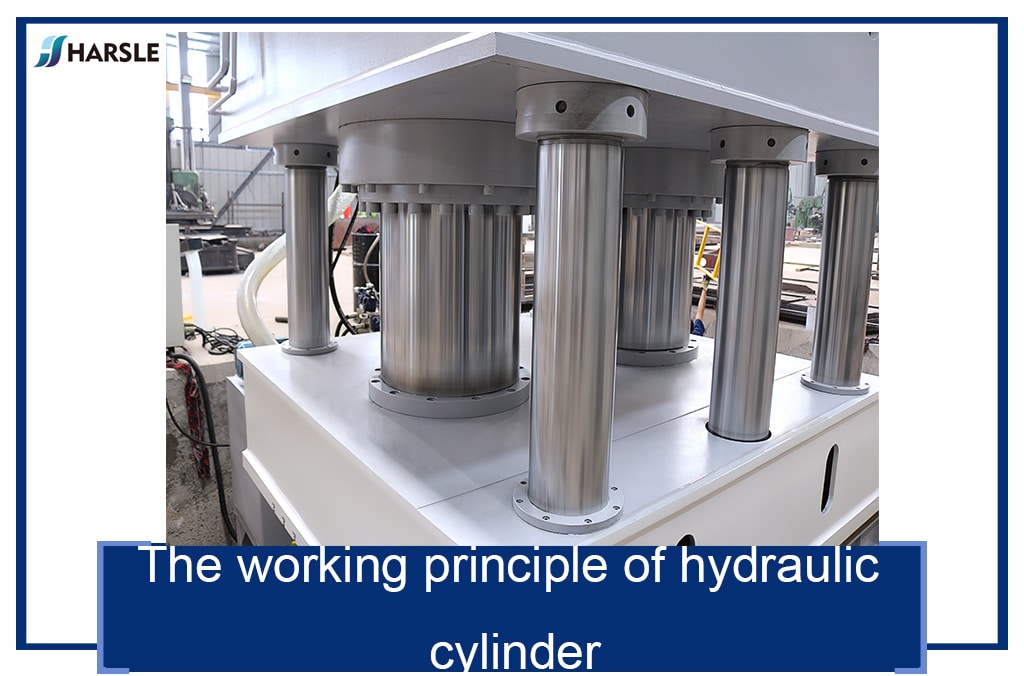
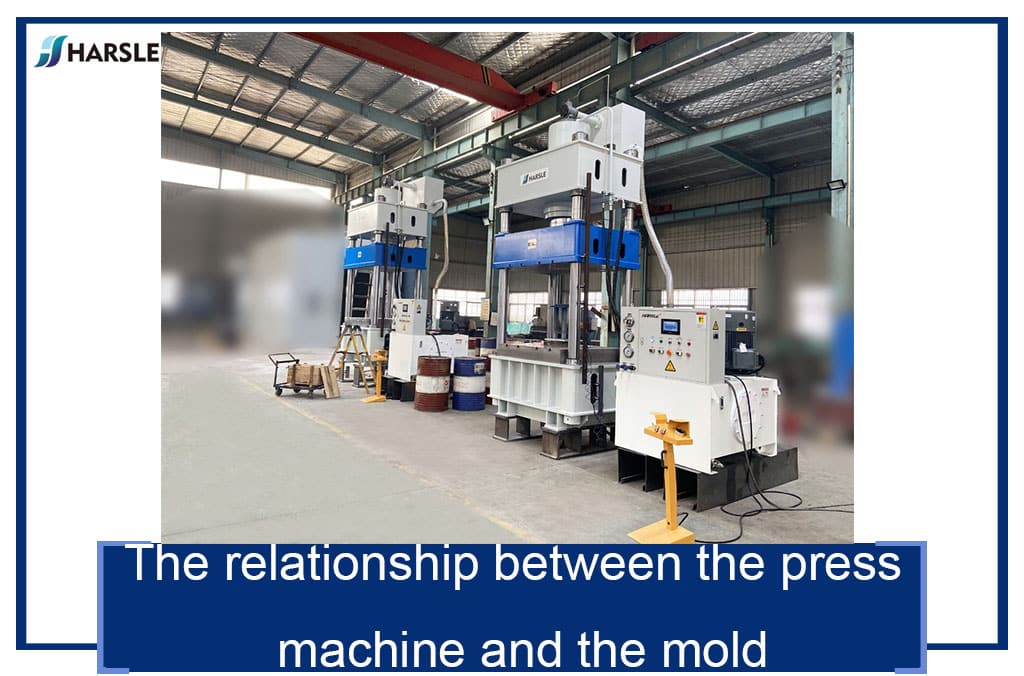
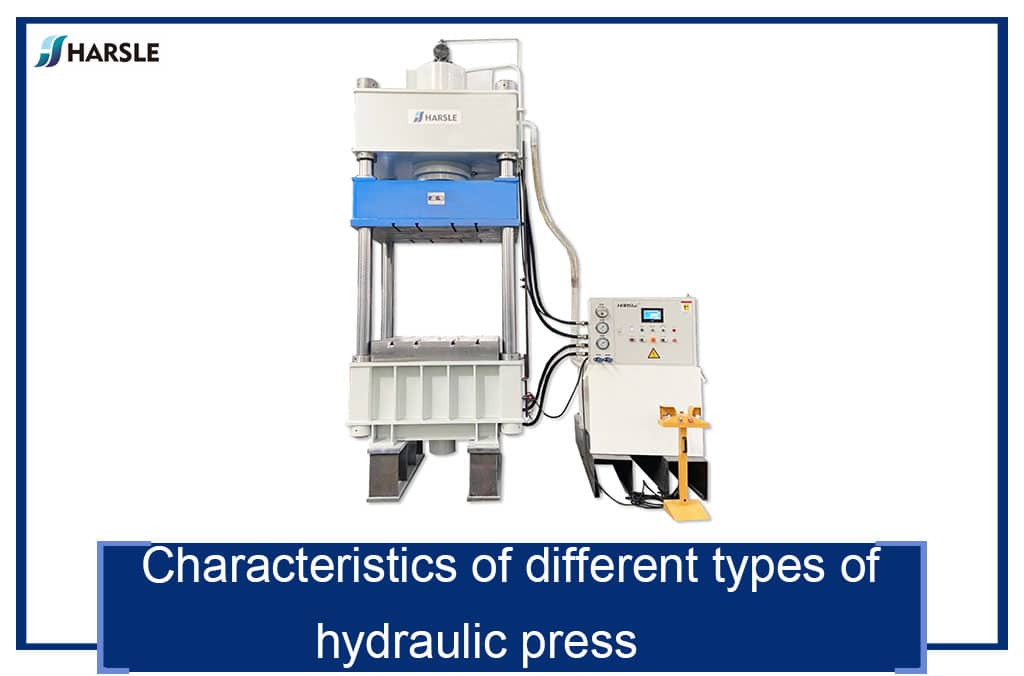
A four-column hydraulic machine is a machine that uses liquid as a working medium and is made according to Pascal’s principle to transfer energy to realize various processes. The four-column hydraulic press is generally composed of the machine (host), power system, and four-column hydraulic control systems. Hydraulic presses are classified into valve hydraulic presses, liquid four-column hydraulic presses, and engineering hydraulic presses.
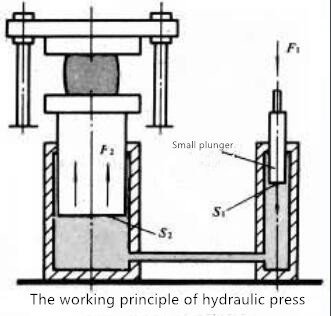
The princípio de trabalho of a four-column hydraulic press. The areas of the large and small plungers are S2 and S1 respectively, and the forces on the plungers are F2 and F1 respectively. According to Pascal’s principle, the pressure of a closed liquid is equal everywhere, that is, F2/S2=F1/S1=p; F2=F1 (S2/S1). It represents the gain effect of hydraulic pressure. Like mechanical gain, the force increases, but the work does not gain. Therefore, the movement distance of the large plunger is S1/S2 times the movement distance of the small plunger.
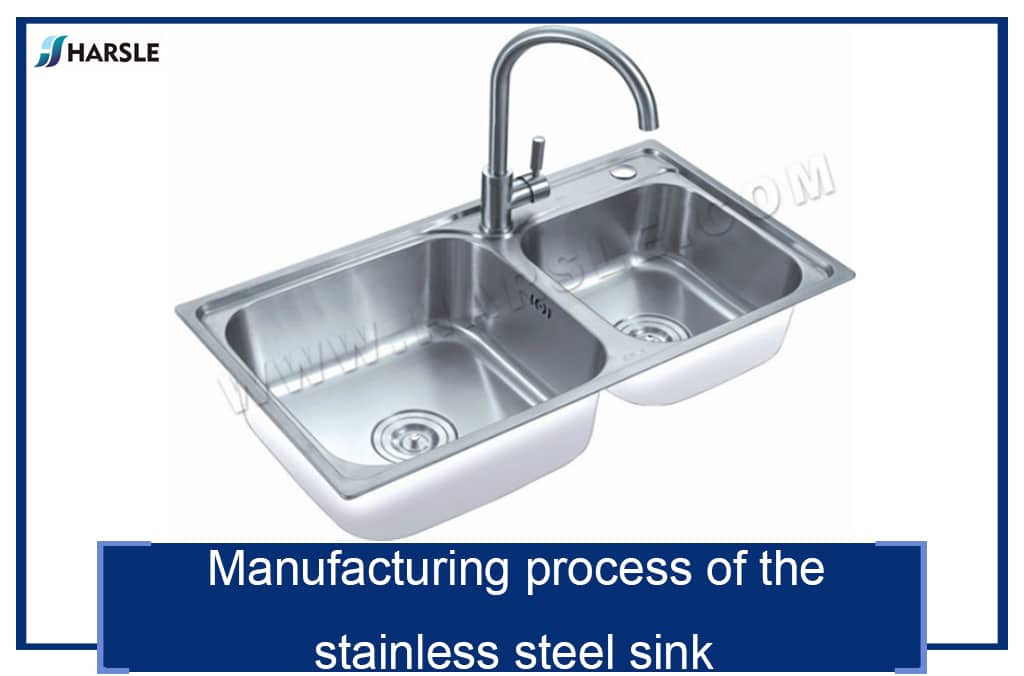
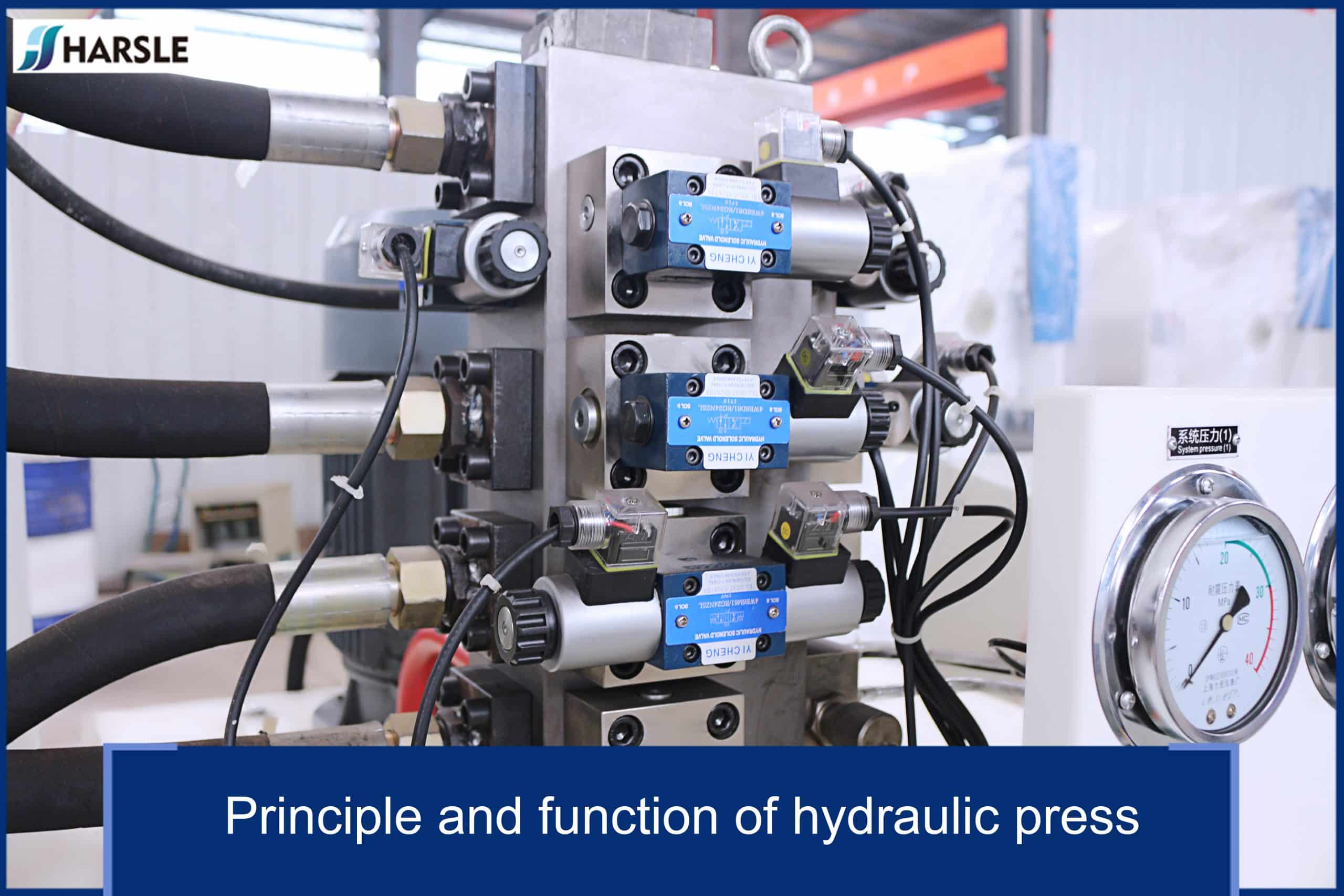
The basic principle is that the oil pump delivers the hydraulic oil to the integrated cartridge valve block, and distributes the hydraulic oil to the upper or lower chamber of the cylinder through various one-way valves and relief valves. Under the action of high-pressure oil, the cylinder moves. A hydraulic press is a device that uses liquid to transmit pressure. When the pressure of the liquid transfer in a closed container, it follows Pascal’s law. The hydraulic transmission system of the four-column hydraulic press consists of a power mechanism, a control mechanism, an executive mechanism, an auxiliary mechanism, and a working medium. The power mechanism usually uses an oil pump as the power mechanism, which is generally a product oil pump. In order to meet the requirements of the moving speed of the actuator, one oil pump or multiple oil pumps are selected. Gear pumps for low pressure (oil pressure less than 2.5MP); vane pumps for medium pressure (oil pressure less than 6.3MP); plunger pumps for high pressure (oil pressure less than 32.0MP). Pressure processing and forming of various plastic materials, such as extrusion, bending, deep drawing of stainless steel plates, and cold forming of metal parts. It can also be used to press powder products, grinding wheels, bakelite, and resin thermosetting products.
Hydraulic machine features
- Four-columns hydraulic press adopts built-in fast cylinder with fast idle stroke speed and high production efficiency;
2. The convenient manual adjustment mechanism can adjust the pressure head or the upper worktable to press at any position in the stroke, and can also adjust the length of the fast forward and the work progress at will within the design stroke;
3. The pressure can be steplessly adjusted according to the process needs;
4. The solid open structure with integral welding can keep the body rigid enough while having the most convenient operating space.
The role of four column hydraulic press
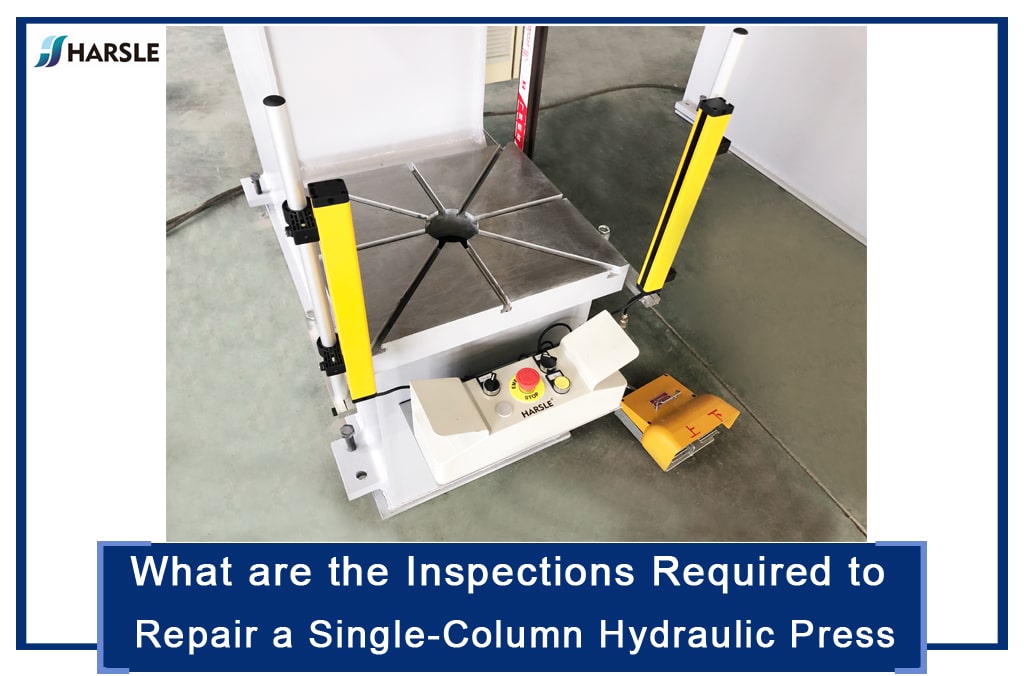
Numerical control four-column hydraulic press has strong versatility. It adds a pressure sensor to the hydraulic machine tool. After data collection and system processing composed of a microcomputer, it is converted into a pressing force value and digitally displayed. When the limit is exceeded, it will send out a sound and light alarm and a special shutdown signal. In order to achieve the purpose of automatic control of the pressing force, the load display controller has a clear display, accurate control, fast response, stable and reliable work, and replacement of different sensors and application software for the application of forging equipment and counters with different tonnages Every operator knows the total number and unqualified number, and the addition of two-hand buttons makes the operation of the machine safer.