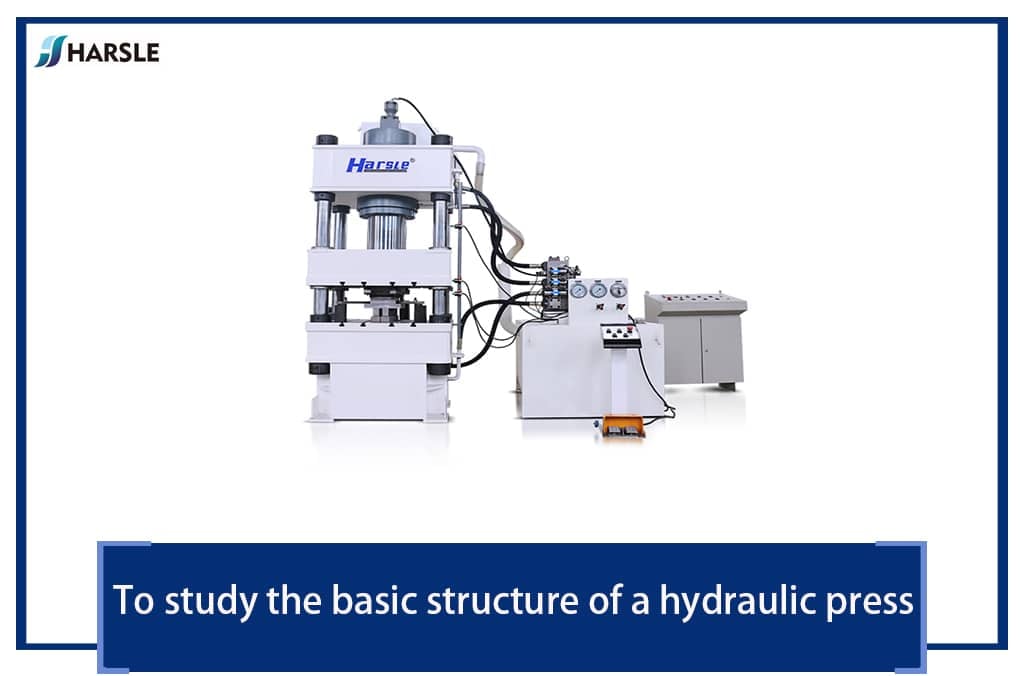
Estudiar la estructura básica de una prensa hidráulica.

Basic structure
Drive System
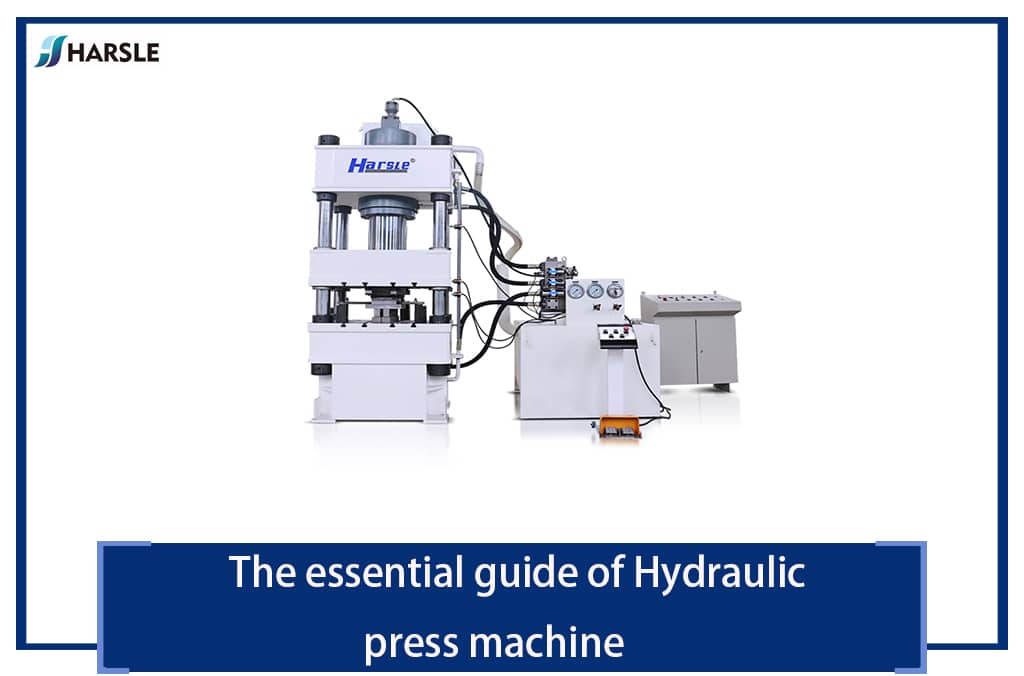
Used hydraulic press for sale,The drive system of hydraulic press mainly has two types: direct drive and pump-accumulator drive. Pump direct drive The pump of this drive system provides high-pressure working fluid to the hydraulic cylinder, the distribution valve is used to change the direction of the liquid supply, and the overflow valve is used to adjust the limited pressure of the system, and at the same time plays a role of safety overflow. This kind of drive system has few links and simple structure. The pressure can be automatically increased or decreased according to the required working force, which reduces electric energy consumption. However, the capacity of the pump and its drive motor must be determined by the large working force and high working speed of the hydraulic machine. This type of drive system is mostly used in small and medium hydraulic presses, but also large (such as 120,000 kN) free forging hydraulic presses directly driven by pumps.
Pump-accumulator drive
Used hydraulic press for sale,There is one or a group of accumulators in this drive system. When the high-pressure working fluid supplied by the pump has a margin, it is stored by the accumulator; and when the supply is insufficient, it is supplemented by the accumulator. With this system, the capacity of pumps and motors can be selected according to the average consumption of high-pressure working fluid, but because the pressure of the working fluid is constant, the power consumption is large, and the system has many links and complex structure. This kind of drive system is mostly used in large hydraulic presses, or a set of drive system drives several hydraulic presses.
Structure type
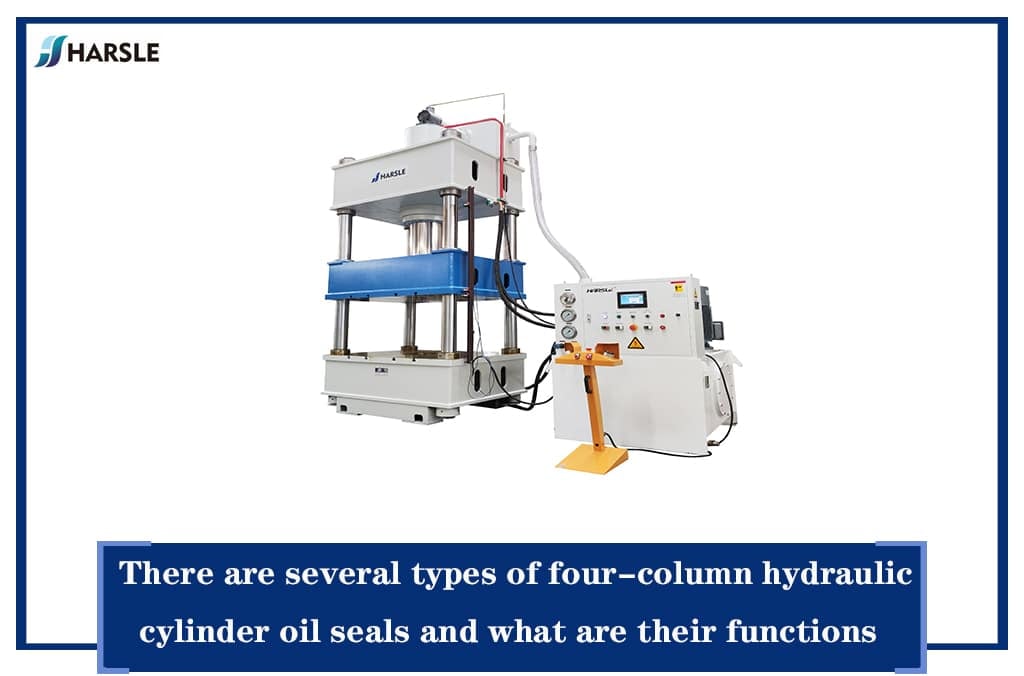
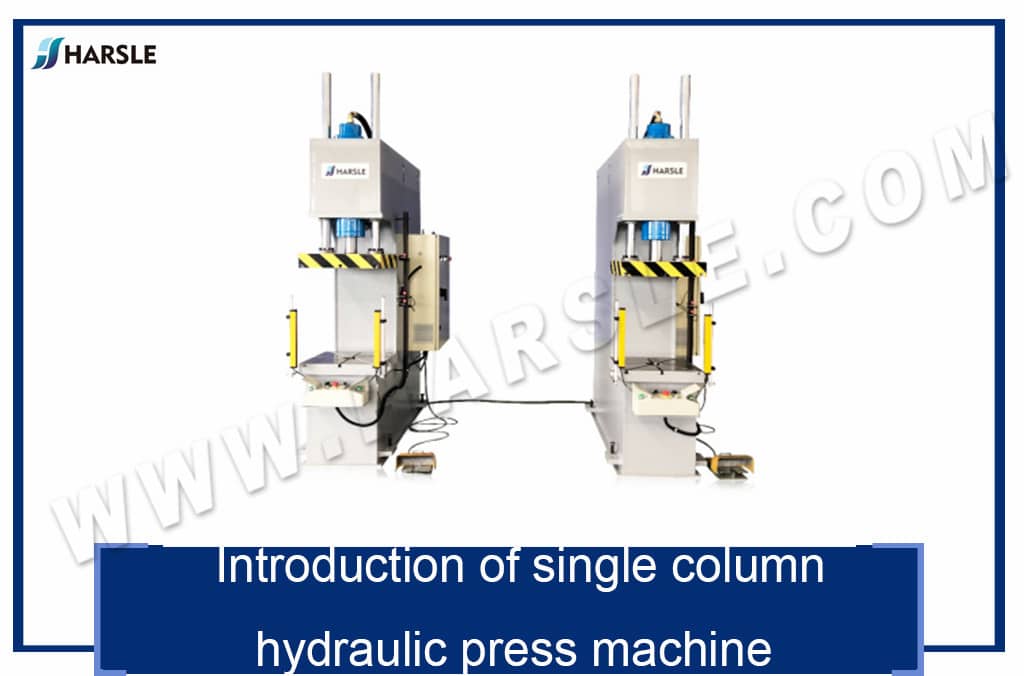
Used hydraulic press for sale,According to the direction of the force, there are two types of hydraulic presses: vertical and horizontal. Most hydraulic presses are vertical, and hydraulic presses for extrusion are mostly horizontal. According to the structure type, the hydraulic press has two-column, four-column, eight-column, welded frame and multi-layer steel belt winding frame, etc., and medium and small vertical hydraulic presses also use C-frame type. C-frame hydraulic press is open on three sides, which is easy to operate, but has poor rigidity. The welding frame hydraulic press used for stamping has good rigidity, open front and rear, but closed left and right. In the vertical four-column free forging hydraulic press with upper transmission, the cylinder is fixed in the upper beam, the plunger is rigidly connected with the movable beam, and the movable beam is guided by the column and moves up and down under the pressure of the working fluid. There is a workbench that can move back and forth on the beam. The upper anvil and the lower anvil are respectively installed under the movable beam and on the work surface. The working force is borne by the frame composed of upper and lower beams and columns. Large and medium-sized free forging hydraulic presses driven by pump-accumulators often use three working cylinders to obtain three levels of working force. A balance cylinder and a return cylinder that exert upward force are also arranged outside the working cylinder.
Technical conditions
1. The technical requirements of the drawings and technical documents of the hydraulic press shall comply with the relevant current standards and shall be approved in accordance with the prescribed procedures before it can be used for production.
2. The design should be reasonable in layout, beautiful in appearance, safe and reliable in use, sensitive and light in operation, hand control force not more than 49N (5kgf), pedal force not more than 78?4N (8kgf).
3. Wear-resistant measures should be taken for important guide rails, columns, and movable (plunger) plugs. Slider guide rail work (or strip surface) and the fuselage track-seeking working surface should maintain the necessary hardness difference.
4. Parts, components or equipment weighing more than 15kg must be easy to lift and install, and if necessary, there should be lifting holes or lifting hooks (loops).
5. The hydraulic press and its parts packaged in whole or in part shall comply with the current standards and relevant regulations for transportation and loading.
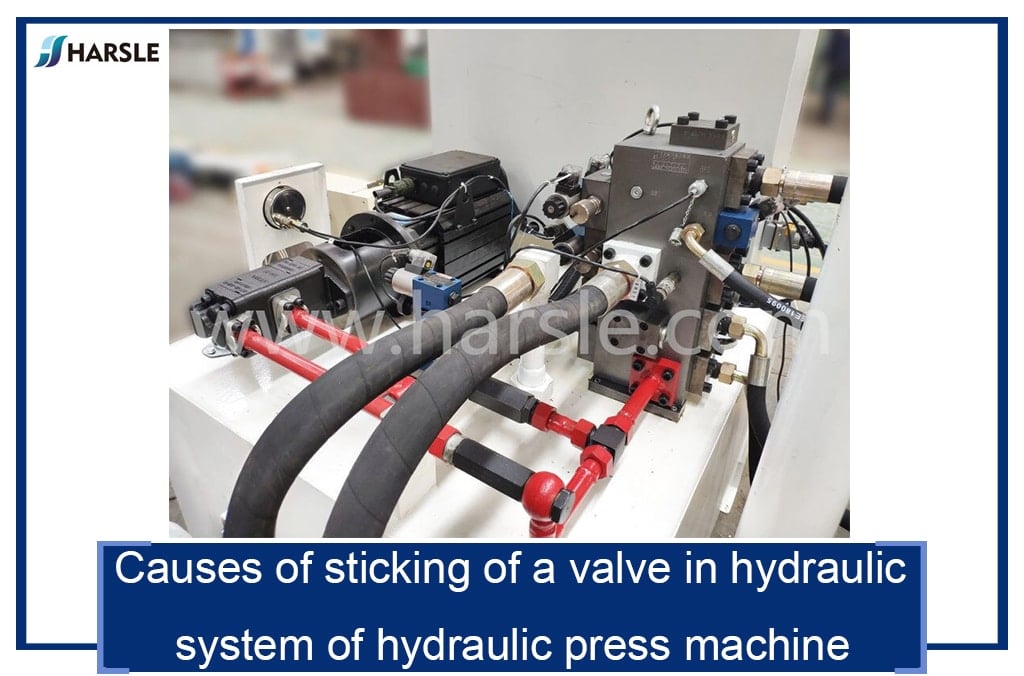
6. The sub-assembled parts shall have relevant installation identification marks. Among them, plate or tube valves must be installed with correct orientation measures, and the pipelines and hydraulic components should have dust-proof measures.